
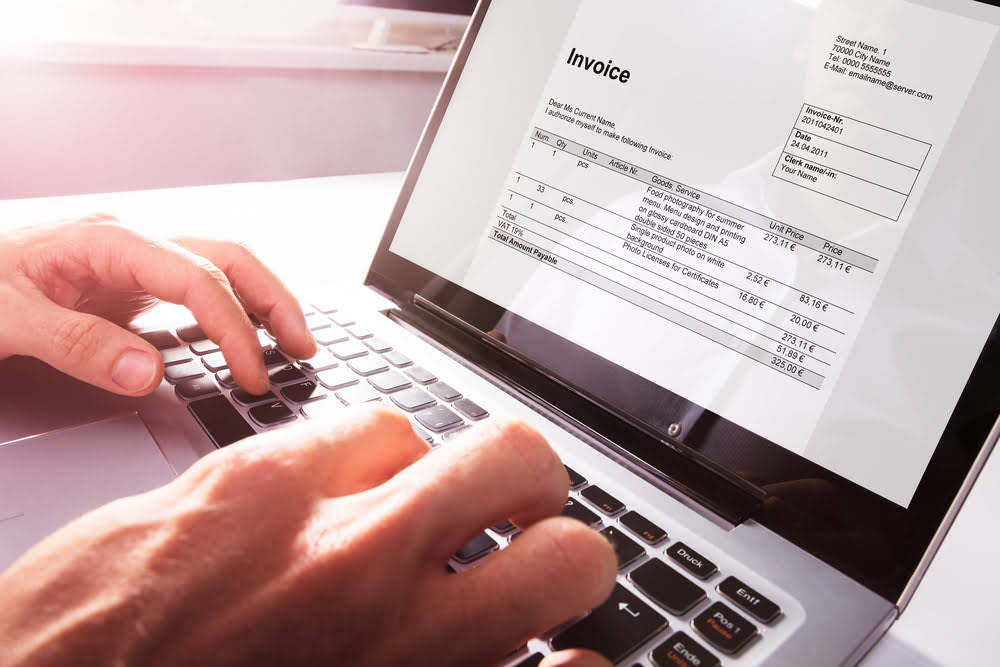
If the indirect method is used, then the cash flow from the operations section is already presented as a reconciliation of the three financial statements. Other reconciliations turn non-GAAP measures, such as earnings before interest, taxes, depreciation, and amortization (EBITDA), into their GAAP-approved counterparts. Suspense account reconciliation is the process of resolving discrepancies between two sets of records by transferring the amount in question to a suspense account.

It is important to note that such charges are not recorded by you as a business till the time your bank provides you with the bank statement at the end of every month. These outstanding deposits must be deducted from the balance as per the cash book in the bank reconciliation statement. To quickly identify and address errors, reconciling bank statements should be done by companies or individuals at least monthly. They also can be done as frequently as statements are generated, such as daily or weekly. One important trait of the bank reconciliation is that it identifies transactions that have not been recorded by the company that are supposed to be recorded.
Your All-Encompassing Guide to Bank Reconciliations
The easiest way to check for this is to print a check register for the month and compare it to the checks that have cleared the bank. Any checks that have been issued that haven’t cleared the bank must be accounted for under your bank balance column. It’s common for your bank statement to have a higher ending balance than your G/L account shows.

A bank reconciliation is part of the month-end close process, which includes reviewing the company’s balance sheet, income, bank statements, expenses, intercompany trades, and other information. It is essential for maintaining accurate business financial records, which helps in tax filing and getting an overall idea of the company’s finances. In the past, it was common for a company to prepare the bank reconciliation after receiving the monthly bank statement which of the following is not a step in preparing a bank reconciliation? and before issuing the company’s balance sheets. However, with today’s online banking a company can prepare a bank reconciliation throughout the month (as well as at the end of the month). This allows the company to verify its checking account balance more frequently and to make any necessary corrections much sooner. The purpose of the bank reconciliation is to be certain that the company’s general ledger Cash account is complete and accurate.
Errors Committed by your Business While Recording Transactions
Checks which have been written, but have not yet cleared the bank on which they were drawn. In the bank reconciliation, outstanding checks are deducted from the balance per bank. That part of the accounting system which contains the balance sheet and income statement accounts used for recording transactions.

For example, if a company writes a check that has not cleared yet, the company would be aware of the transaction before the bank is. Similarly, the bank might have received funds on the company’s behalf and recorded them in the bank’s records for the company before the organization is aware of the deposit. Not only does the bank provide basic checking services, but they process credit card transactions, keep cash safe, and may finance loans when needed. The treatment for timing differences in a bank reconciliation is to use them as a reconciling item. There is no accounting treatment for these differences as they will clear with time.
Business Reconciliation
It can, in turn, help the company improve its bank processes and make them more efficient and effective. Therefore, bank reconciliation can help the company identify any weaknesses within the banking transaction controls. More importantly, bank reconciliation can play a crucial role in catching any fraudulent activity. For example, employees may exploit loopholes in the internal control of a company to their advantage.
- Banks provide various services to their users with applicable service charges.
- Bank reconciliations are completed at regular intervals to ensure that the company’s cash records are correct.
- To quickly identify and address errors, reconciling bank statements should be done by companies or individuals at least monthly.
- Another example would be a discrepancy between a business’s bank statement and its financial statement.
- These entries are necessary to update Feeter‛s general ledger cash account to reflect the adjustments made by the bank.
- Once solved, be sure to adjust your records to reflect deposits as needed.
A bank statement is a detailed record provided by the bank, typically at the end of each month. It lists various transactions like deposits, withdrawals, bank fees, and bank charges. Bank reconciliation is a crucial financial task for businesses and individuals alike. This article delves into the nitty-gritty of bank reconciliation and bank reconciliation statements, detailing why they are essential for maintaining accurate financial records. We’ll explore how this process helps identify discrepancies, prevent fraud, and ensure the integrity of your financial records. Whether you’re a business owner, an accountant, or just looking to understand your finances better, this article is a must-read.